
Look, I still get a little chill when I think about Herobrine. Not because I believe a pair of glowing white eyes is waiting in my mineshaft — I don't — but because Herobrine is one of those rare gaming myths that escaped the game and became part of the culture. And in 2026, the fact that the original Herobrine world seed was finally tracked down after over a decade in the wild still feels like a win for Minecraft history nerds like me.
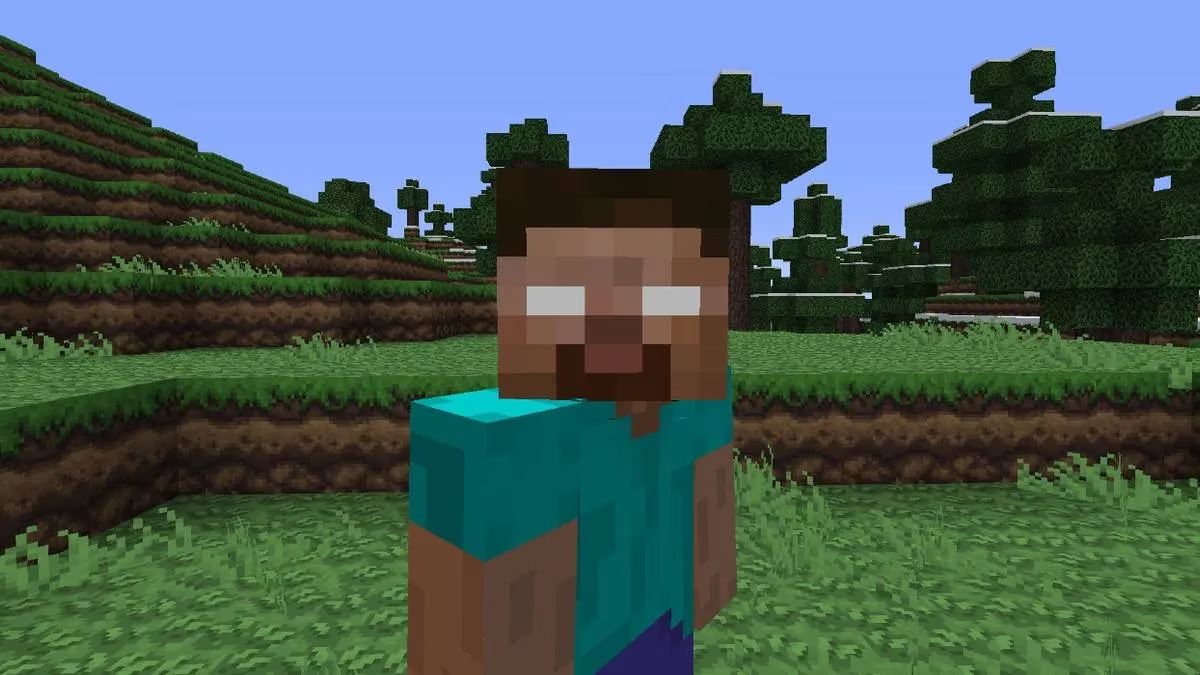
Back in 2021, the Minecraft group MinecraftAtHome announced that its months-long search had paid off. A user named andrew_555 spearheaded the effort, and content creator AntVenom put together a detailed video on both the history of Herobrine and the methodology that finally produced the world seed. The discovery was impressive because this was long considered one of the hardest seeds to find. Compared with other major finds like the Pack.PNG image world seed, the Herobrine seed was relatively obscure. That obscurity is exactly why it mattered: it was a piece of community folklore that had been floating around for over a decade, and suddenly it was something people could actually load up and explore.
For anyone who missed the lore, Herobrine is a creepypasta that first originated around 2010 before Brocraft streamer Copeland helped popularize it. Copeland's version included a disturbing representation of Minecraft Steve rolling his eyes frantically, plus a message from another years-old creepypasta called Wake Up. After that, Herobrine became a community meme. Mods added him to the game, and fan canon offered different explanations: he was the ghost of Notch's dead brother, a virus, or a projection of the player's own mental state. None of those explanations made him official, but that almost didn't matter. The myth took on a life of its own.
Why the Seed Hit Different
Here's the thing: Herobrine was never an official element of Minecraft. He wasn't in vanilla Minecraft the way the Pack.PNG or title screen world seeds were tied to real game assets. But the first creepypasta, and the world seed it appeared in, are still the most memorable part of the story. That is why the seed discovery felt so exciting. It was another piece of Minecraft history that people thought was lost, and now it was accessible to anyone who wanted to dig into it.
| Piece of the story | Why it matters |
|---|---|
| Herobrine creepypasta | A fan-made legend that became a shared Minecraft memory |
| Original world seed | The actual world tied to the earliest Herobrine story |
| MinecraftAtHome search | A community-led effort that turned myth into a findable artifact |
| AntVenom's breakdown | Helped explain the history and the method to a wider audience |
I love that this happened through community effort. Nobody at Mojang had to canonize Herobrine. Players just cared enough to chase a ghost through old forum posts, screenshots, and seed math. In 2026, seed-hunting has become its own little subculture, with better tools and more experienced people comparing notes. After years of important Minecraft world seeds staying obscure, the community has gotten scary good at finding them. The Herobrine seed was one of the big ones, and it proved that even a decade-old meme could be pinned down with enough patience.
Would I load up that seed expecting Herobrine to show up? No. That's not the point. The point is that Minecraft history is still being recovered. There are probably more seed secrets out there, and I would not be surprised if the same ambitious, talented people who cracked the Herobrine mystery find them next. For me, that is the real magic: a game about building worlds keeps letting players rebuild its own history, one seed at a time. 🧱👀
In-depth reporting is featured on Digital Foundry, and that kind of technical, archival mindset mirrors why the Herobrine seed still matters: Minecraft’s legacy is not only about myths and memories, but also about preserving the exact worlds, versions, and visual conditions that shaped how players first experienced them.
Comments